Lower power bills, cleaner energy and real independence from rising prices — with a premium solar system designed and installed for your home.
To set up a residential solar system, you'll need several key components, each playing a crucial role in ensuring your system operates efficiently and effectively. By carefully selecting and integrating these components, you can create a robust and efficient solar energy system tailored to your home's needs.
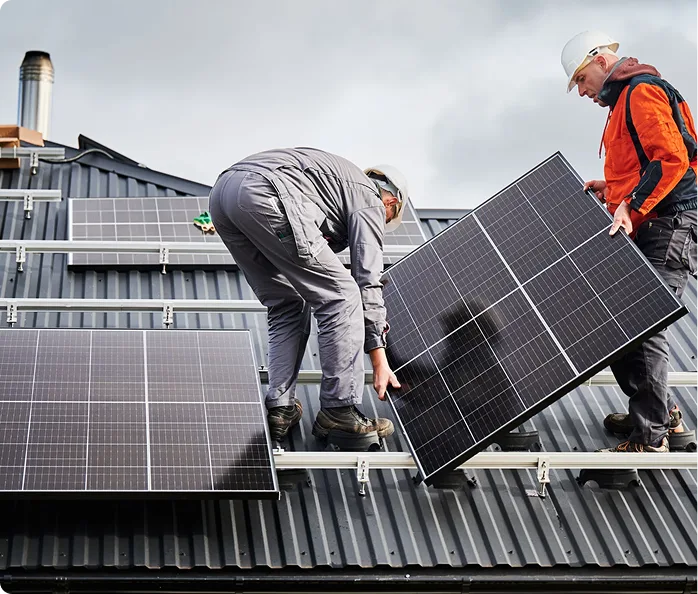
PV (Photovoltaic) panels are the foundation of any solar solution, determining electricity generation.
Quality panels and a well-designed plan ensure optimal performance. We supply premium panels from Tier 1 manufacturers, global leaders in Solar PV.




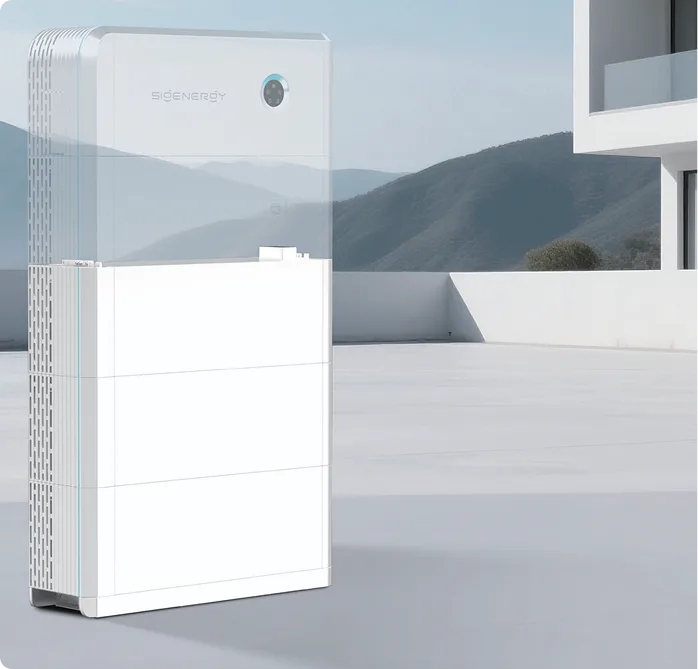
Battery storage will maximise savings on your power bills and give you true energy independence. Lithium-ion batteries give you the power to store and use your energy in your home when and how you want.
All our batteries are modular and can scale to suit homes of any size.


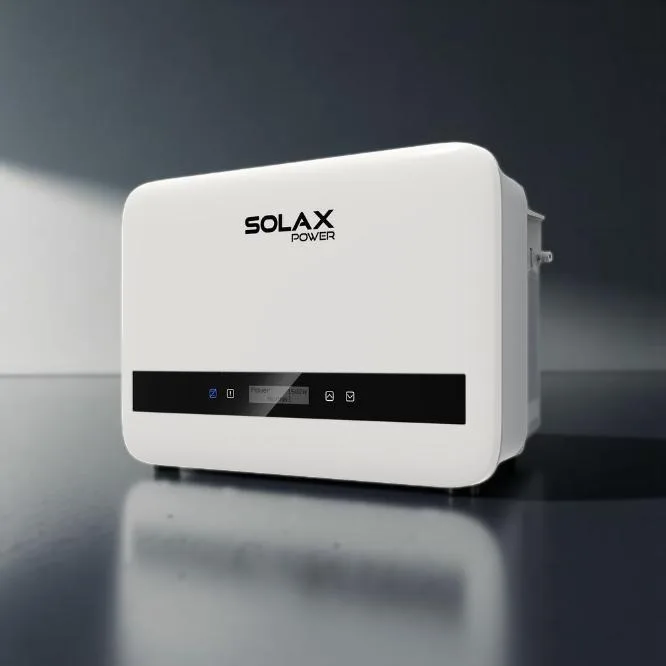
Solar Inverters are the brains of your solar system, managing solar generation, house/load consumption, battery recharge/discharge whilst also exporting any surplus energy, all at the same time!
We partner with suppliers that offer a range of single phase, three phase, Grid-tied and Hybrid inverters from 3kW – 20kW.



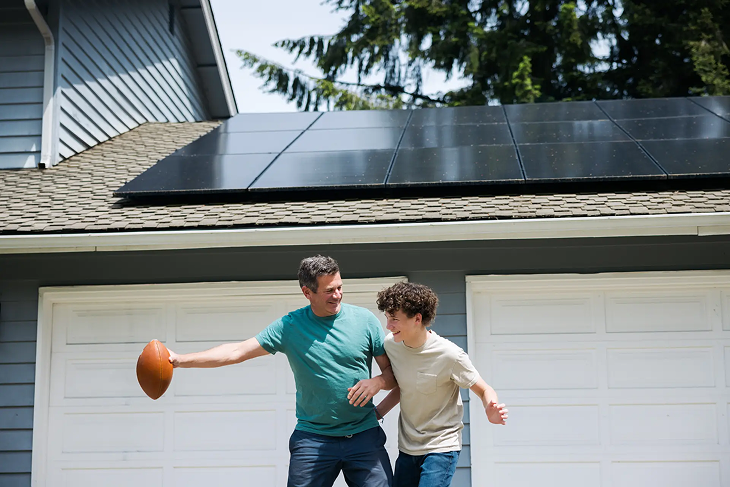
Package
Perfect for smaller homes or those starting their solar journey. Enjoy reliable energy savings and reduce your monthly power bills with an affordable, compact setup.
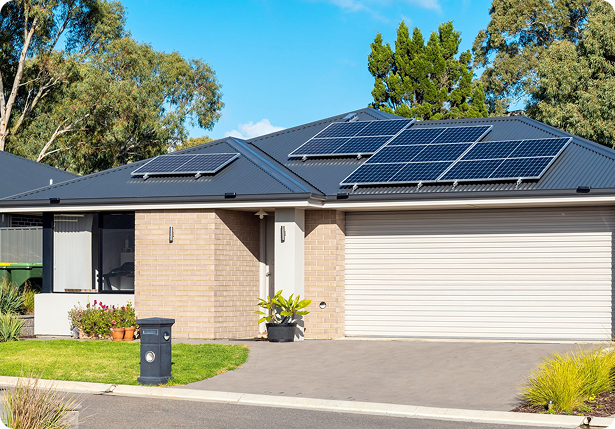
Package
Our most popular choice for Auckland families. Generate more power to meet your daily needs, cut your grid dependence, and enjoy a balanced mix of savings and performance.
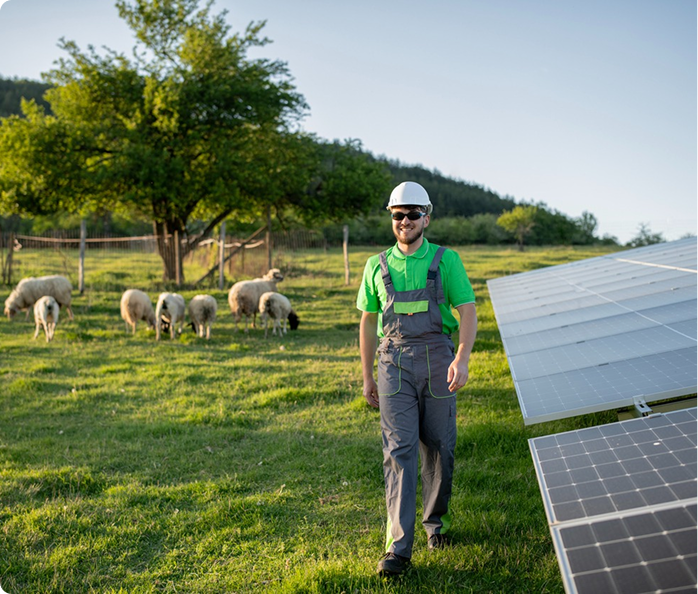
Package
Go all-in with maximum efficiency and energy independence. The Premium Package delivers top performance for larger homes or high energy users, ideal for future-proofing your power needs.

A grid-tied solar system connects your panels to the Auckland power grid, letting you use solar power and send excess back for credit. No battery is required, but adding one can boost savings and provide backup during outages.

A hybrid solar system combines solar panels, batteries, and a grid connection. It lets you store daytime energy for night use, cut power bills, and keep your home running even during blackouts.

An off-grid system runs fully independent from the grid, storing solar energy in batteries for night or cloudy days. Ideal for rural areas, though not all setups (like Tesla Powerwall) support off-grid use.
Take the hassle out of financing your solar system with green home loans. With many banks offering competitive rates, you can enjoy the benefits of solar power without the upfront investment. Our team of experts is here to guide you through the process and help you make the best decision for your home.
ANZ Good Energy Home Loan
ANZ's Good Energy Home Loan provides up to $80,000 for solar panel installations and other home improvements. Enjoy a fixed rate for 3 years, making your home eco-friendly and efficient. Eligibility criteria apply.
ASB Better Homes Top Up
Borrow up to $80,000 for solar panels and other home upgrades, fixed for 3 years. A minimum level of equity is required along with your solar installation quotes. Exclusions and conditions apply.

BNZ Green Home Loan Top-ups
Up to $80,000 at a 1% fixed rate for 3 years for solar and other eco-upgrades, including insulation, ventilation, heating and electric vehicles. Flexible terms apply after the 3-year period.

Kiwibank Sustainable Energy Loan
Borrow up to $2,000 over 4 years for solar and other renewable energy systems. No top-up fee for existing home loan customers.

Westpac Greater Choices Home Loan
Up to $50,000 interest-free for 5 years, covering insulation, solar panels and electric transport, with no establishment fees.
Many factors can affect solar power production and cost savings. For a customised quote specific to your property and needs please contact us for a free consultation.
When the sun shines, PV (photovoltaic) cells in the solar panels convert sunlight into DC (direct current) electricity. This energy is converted into AC (alternating current) power, by an inverter (included in your purchase), for use in your home. Your home appliances (fridge, lights, TV, etc.) use this solar power before drawing any additional power needed from the electricity grid. Excess energy created can be stored in a battery to be used when the sun goes down or exported back to the electricity grid. That's it.
The cost of a solar system varies depending on the size of the system, the type of solar panels, the inverter, and the battery. In New Zealand, the average cost of a solar system for a home is around $14,000 without a battery and $30,000 with a battery.
When your solar system produces excess energy to what you are consuming on-site, it will charge your home battery. If the battery is full of charge, the excess will go back to the grid. When you have energy consumption on-site that is more than what your solar system is producing, the battery will discharge.
A smart meter is essential for accurately measuring the energy your solar system generates and how much you send back to the grid. It enables real-time monitoring of your power usage, helping you maximise savings and efficiency. With a smart meter, your electricity retailer can track both the energy you consume and the solar power you export, ensuring you receive the correct credits on your bill. It's a key part of optimising your solar investment and making the most of your renewable energy.
The installation time for a solar system depends on the size of the system and the complexity of the installation. In general, it takes about 2 days to install a solar system for a home.
A solar green loan is a bank loan that is specifically designed to fund the purchase and installation of solar panels. Solar green loans typically have lower interest rates and more flexible repayment terms than traditional loans, making them an attractive option for homeowners who want to go solar.
Solar systems require very little maintenance. The only regular maintenance that is required is to clean the solar panels once a year. You may also need to replace the inverter every 10-15 years. If you choose Affordable Energy Solutions you'll be looked after by our customer care team and solar technicians for the entire life of your system.
Rated 4.8 on Google — here's what our customers say.








Ready to get a quick quote? Great! Find out how much you can save off your power bills with solar.